EU sanctions U-turn: France and Slovakia force bloc to delist two Russian oligarchs, diplomats say
 on Google
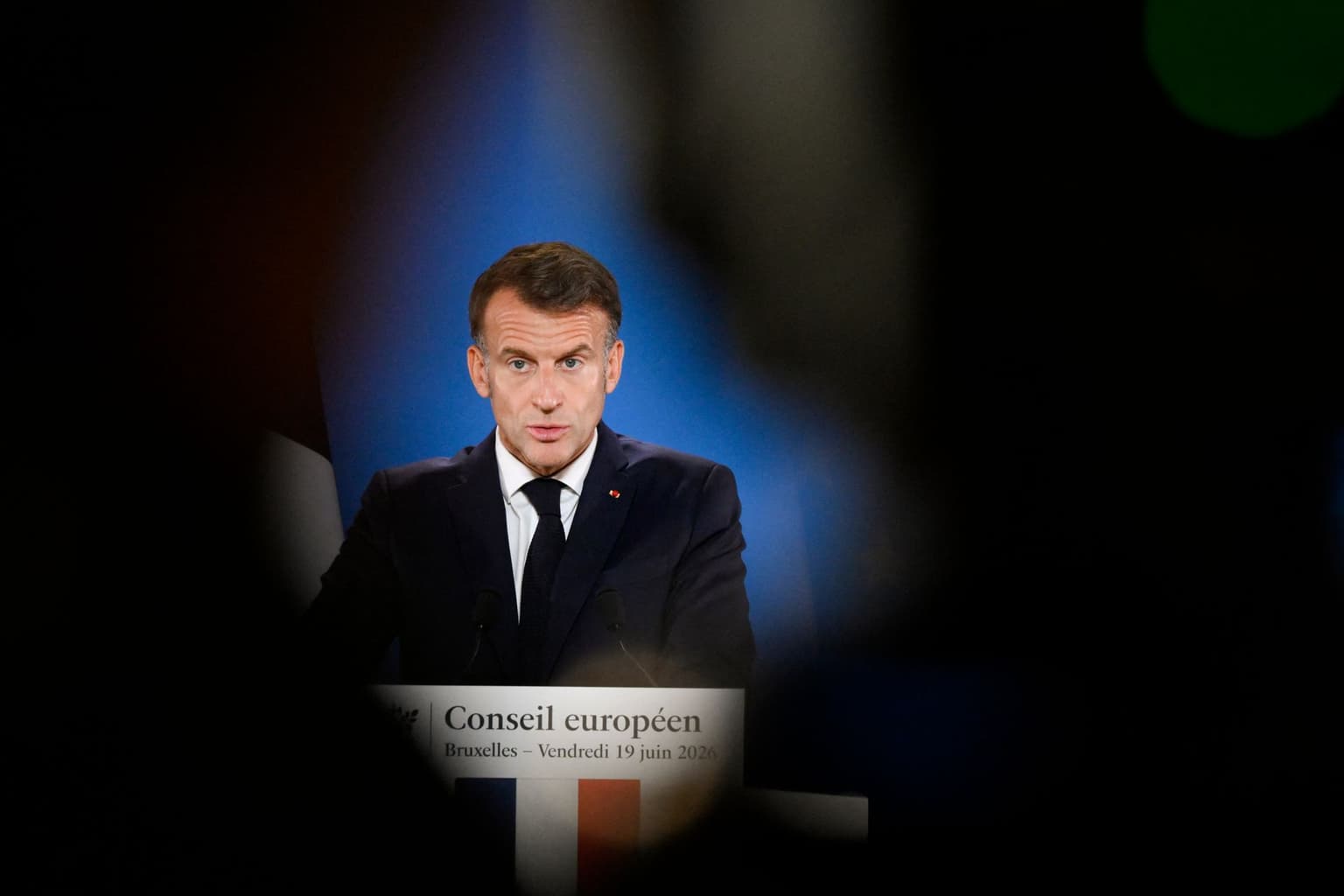
BRUSSELS, Belgium — France and Slovakia succeeded in their push to remove two Russian oligarchs from EU sanctions on the afternoon of Sept. 21, after weeks of delaying the renewal of the bloc's 3,000 sanctions on Russia.
In exchange, EU ambassadors have provisionally agreed to extend the sanctions for 36 months rather than the originally planned 12 months, three national diplomats told the Kyiv Independent.
Foreign Minister Andrii Sybiha took to social media to slam the agreement.
"What has changed? Nothing. Delisting is unacceptable and would send the wrong signal to Moscow at a time when pressure needs to increase," Sybiha wrote.
The ambassadors are expected to meet in the evening — for the third time in a single day — to confirm they have reached an agreement.
The technical vote to roll over the sanctions was held hostage by France and Slovakia, who wanted to delist the oligarchs Alisher Usmanov and Mikhail Fridman.
read also
Slovakia has held the position for some time, repeatedly demanding that the oligarchs be delisted, but France's decision to support the move came as a surprise to some.
Paris has joined the demand because it is allegedly being requested by Azerbaijan, which France told EU countries is holding two of its nationals as political prisoners.
After EU ambassadors hold their evening meeting, ministers from the 27 countries will vote to adopt the agreement — a formality — ahead of the Sept. 22 deadline to renew the sanctions.
Ukraine's sanctions envoy Vladyslav Vlasiuk voiced frustration on social media over the latest EU ambassadors' meeting, asking, "How can anyone seriously discuss sanctions delisting while Russia's war continues?"
"Delisting without a fundamental change in conduct sends exactly the wrong signal: pressure is temporary, accountability is negotiable, and sanctions can simply be waited out," Vlasiuk said.
And the new ambassador to the EU, Taras Kachka, said: "Compromise only invites Moscow to raise the stakes."
The two sanctioned individuals, Fridman and Usmanov, are both considered members of Russian leader Vladimir Putin's inner circle.
Fridman is a co-founder of the Russian conglomerate Alfa-Group, whose subsidiary provided insurance for vehicles used by Russian forces in Ukraine, and reportedly serviced the Main Office of Special Programs, which is responsible for guarding Putin.
The Ukrainian-born tycoon was also the owner of Sense Bank — formerly known as Alfa-Bank, one of Ukraine's largest banks — before its nationalization in 2023.
Usmanov made his fortune in metal and mining operations following the collapse of the Soviet Union. He was referred to as "one of Putin's favorite oligarchs" in the EU's original 2022 sanctions decision.